When a generation learns to pray, spiritual vitality overflows. Revival isn’t sustained by clever programs or emotional moments—it’s sustained by patterns of prayer that become habits of the heart.
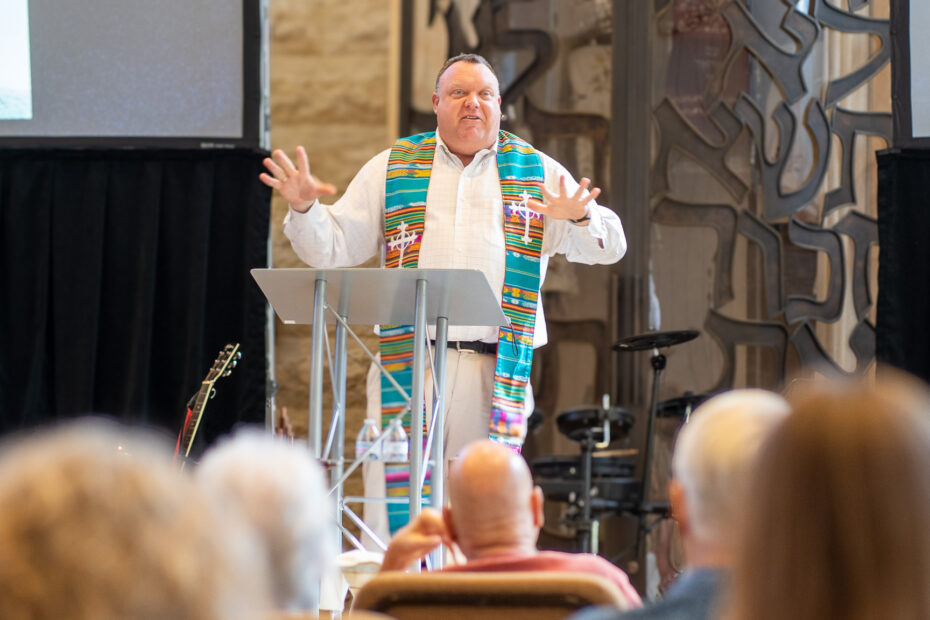
This week at The Gathering Place, we began a new series exploring what revival really means and how we can experience it in our lives and communities today.
What Does Revival Mean?
The word “revival” literally means to live again—to rekindle what has grown dim and bring new life to what feels weary.
We often picture revival as packed sanctuaries, loud worship, and powerful altar calls. But true revival is much deeper than emotion or energy. It’s the Spirit of God breathing fresh life into His people—transforming both hearts and communities.
In every genuine revival, people encounter Jesus personally, find forgiveness and freedom, and live with renewed purpose. But revival doesn’t stop at the church doors. It spills into the world—lifting up the poor, challenging injustice, and empowering those who’ve been forgotten.
The Methodist revival that shaped our faith tradition wasn’t about people running to the church. It was about the church running to the world—with compassion, conviction, and the unshakable belief that Jesus is real.
The Seeds of Revival
Before God pours out His Spirit, our hearts must be prepared.
Pastor Mike reminded us that spiritual renewal always begins with three seeds:
- A life of prayerful formation
- A teachable spirit
- Perseverance through adversity
Let’s take a closer look at each one.
1. Prayerful Formation Begins at Home
Long before Methodism became a movement, it began in a home filled with children, faith, and the smell of candle wax and ink.
That home belonged to Susanna Wesley, mother of John and Charles Wesley. Despite raising ten children and enduring poverty, fire, and loss, she made prayer the rhythm of her life. When she needed a moment with God, she’d pull her apron over her head—and her kids knew, “Mom’s meeting with Jesus.”
Her quiet strength and hidden faith shaped the spiritual DNA of Methodism. From her kitchen table came a generation that changed the world.
Prayerful homes still have that same power today. Revival begins not in sanctuaries, but around dinner tables—when parents, grandparents, and even single adults make space to pray, read Scripture, and bless one another.
If our homes become houses of prayer again, revival will follow.
2. A Teachable Spirit
In Romans 12, Paul urges us to “be transformed by the renewing of your mind.” Revival requires humility—a willingness to learn, to listen, and to be shaped by the Spirit.
John Wesley modeled this humility. Though he held deep convictions, he refused to let disagreements destroy love. He famously said:
“Though we cannot think alike, may we not love alike?”
That posture—holding convictions tightly but holding people gently—was the hallmark of early Methodism. Wesley believed truth and love could coexist.
In our polarized world, that kind of humility is prophetic. Revival won’t come to hearts hardened by pride, but to those who remain open, teachable, and curious about what God might still want to show them.
3. Perseverance in the Fire
Revival doesn’t come from comfort. It comes from costly obedience.
The Wesley family endured debt, persecution, and even a house fire that nearly claimed young John’s life. He later called himself “a brand plucked from the burning,” believing God had spared him for a purpose.
Whatever trial you’re walking through today, God can use it to refine and repurpose you. Revival begins when we keep showing up—when we forgive even when it’s hard, keep giving when it feels tight, and keep trusting when the road gets long.
As John Wesley said, “The best of all is, God is with us.”
Return to Your First Love
In Revelation 2, Jesus calls the church in Ephesus to return to the love they had at first. Revival begins there—when we repent, remember, and return to that first love.
If your faith feels dry, if your “spiritual garden” seems dormant, take heart. Seasons change. Life blooms again.
So start small. Pray audibly in your home. Bless your meals. Set aside a quiet moment each day—your own “apron over the head” moment—to meet with God.
Because revival doesn’t start in the crowd.
It starts in you.
“Revival is sustained not by programs, but by patterns of prayer that become habits of the heart.”
Let’s make prayer our habit, our heartbeat, and our home.